 4 min read
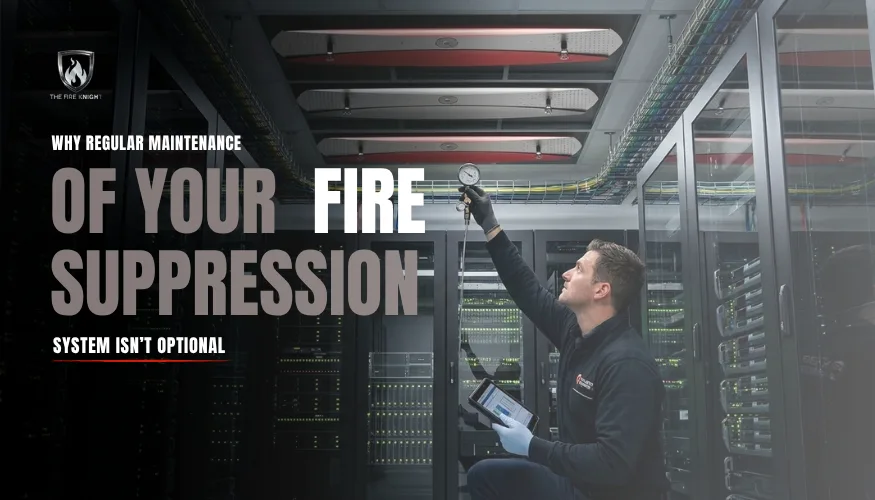
In any commercial or industrial setting, the safety of your people, property, and operations depends on a fire suppression system that works in practice, not just on paper. Installing the system is only part of the answer. The real question is simple: will it work the moment it is needed?
The only way to answer “yes with confidence is through regular maintenance. Without it, even a state-of-the-art suppression system can quietly become a liability instead of a safeguard. In our experience, this is the part of fire safety most often ignored until something goes wrong.
What Is at Stake
A fire suppression system is designed to act automatically in an emergency. But that automatic response only happens if every component is in working order. Here is why maintenance must stay on your radar:
- Reliability: valves stick, sensors fail, and pipes corrode over time. These faults stay invisible until it is too late.
- Regulatory compliance: applicable requirements under the National Building Code of India, relevant Indian Standards, local fire authority requirements, and system-specific maintenance standards must be considered. Proper servicing records also help demonstrate that fire protection systems have been maintained correctly.
- Insurance protection: many insurers now require a servicing history. Without it, a claim after a fire can be rejected even if you paid every premium.
- Business continuity: for data centres, warehouses, and factories, downtime is costly. Maintenance reduces the risk of sudden system failure.
Also Read : 5 Common Fire Risks in Commercial Buildings and How to Prevent Them
What Does Maintenance Actually Involve?
A proper maintenance programme is far more than a quick visual check. Depending on your system type, whether gaseous, water mist, or an aerosol suppression aid, a qualified team should carry out a full range of checks:
Visual inspections
Technicians examine the whole system for damage, tampering, blockages, or corrosion, covering nozzles, pipework, control panels, and access points.
Operational testing
Alarms, sensors, and both manual and automatic discharge are tested under simulated fire logic, confirming that valves and the control panel respond correctly.
Agent and pressure checks
For gaseous or pressurised systems, agent volume and pressure are verified. A low level from an unnoticed past discharge means the system will not perform as expected.
Pipe, nozzle, and power checks
Pipework and discharge pathways are inspected as appropriate to the system, nozzles are checked for obstruction and alignment, and backup power is verified.
Integration testing
Where suppression links to alarms, sprinklers, or HVAC, the communication between devices is tested. Discovering a glitch during a real fire is the worst possible time.
How Often Should You Service Your System?
The exact schedule depends on your system and building class, but a typical minimum looks like this:
| Frequency | What Happens |
|---|---|
| Weekly / Monthly | Status check and simple visual inspection |
| Quarterly | Testing of major components |
| Half-yearly | Electrical and mechanical testing |
| Annually | Full service and performance testing |
| Every 5 years | Major overhaul, including replacement of worn parts |
A good service provider schedules this for you, records it for your insurer, and keeps it audit-ready.
What Happens When You Skip It
- The system fails when a fire starts, turning preventable damage into major loss.
- Legal liability follows if people are harmed and maintenance logs are missing.
- Repair costs climb, sometimes taking out critical equipment.
- Reputation suffers, as clients lose trust in an unsafe operation.
- Insurers may require evidence that fire protection equipment has been properly maintained. Inadequate maintenance records can also complicate a claim following a fire.
Tailored Maintenance, The Fire Knight Way
No two businesses are the same. The fire risk in a food-production plant differs greatly from a mining site or a hospital. We build maintenance plans around your risk profile, your suppression system type, your operating hours, and your industry codes. To understand how detection and suppression work together in the first place, see why early fire detection is the most critical layer, and for planning, read don’t wait for the fire truck, create a fire protection plan.
Final Thought
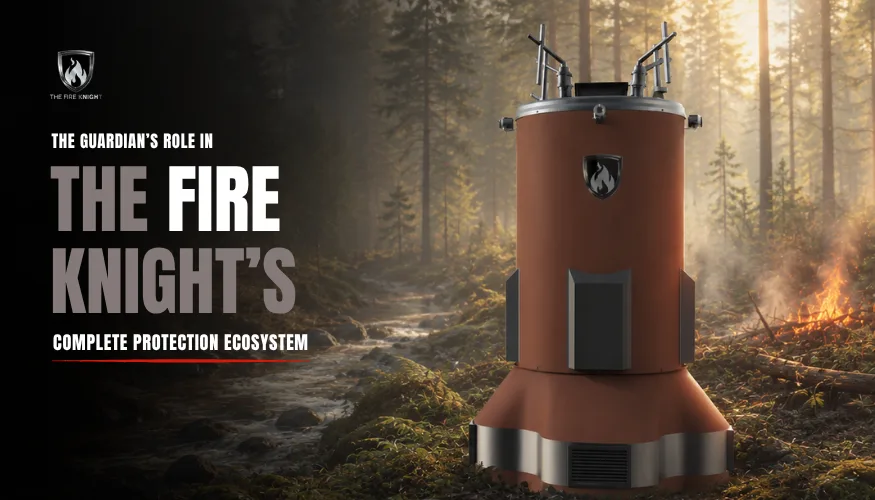
Fire suppression systems are not set-and-forget installations. Your system proves its worth not on the day it is installed, but on the day it is called to act. On that day, proper maintenance is the difference between a close call and a catastrophe. Whether you run The Guardian on an industrial site or The Protector in a building, regular servicing keeps it ready.
Not sure when your system was last checked? Book a free site visit with our fire safety specialists, or become a distributor to bring The Fire Knight to your region.