 4 min read
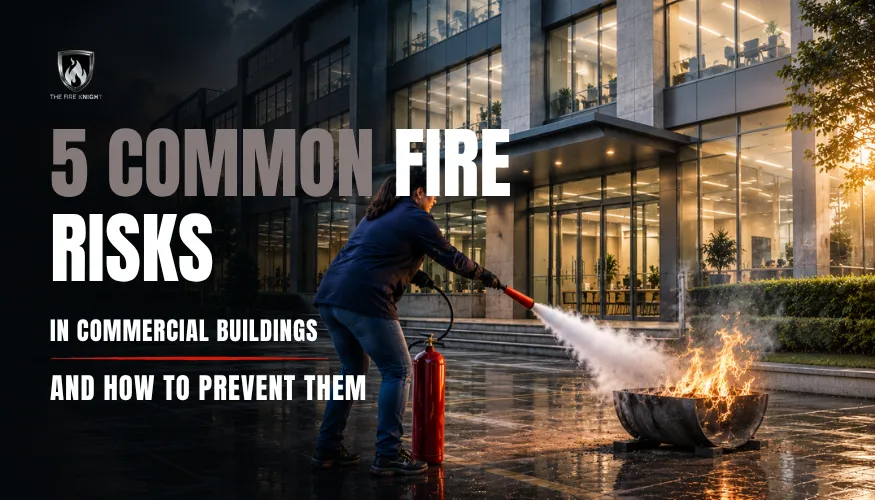
Commercial buildings face fire risks every single day. From electrical panels and HVAC units to kitchens and storage rooms, one overlooked hazard can lead to major property damage, business interruption, and serious danger to people. In India, where offices, shops, and factories often share dense urban space, understanding these risks is the first step toward a safer building.
Here are the five most common causes of commercial fires and how to prevent each one, followed by how fire suppression saves lives and property.
Fire Risk at a Glance
| Risk | Where It Hides | Key Prevention |
|---|---|---|
| Electrical faults | Panels, wiring, extension boards | Regular inspection, no overloading |
| HVAC systems | Ducts, filters, motors | Routine cleaning and servicing |
| Flammable storage | Chemicals, fuels, cleaning agents | Correct labelling and storage |
| Commercial kitchens | Grease, exhaust hoods, flames | Frequent cleaning, suppression |
| Human error | Blocked exits, unattended equipment | Training and safety audits |
1. Electrical Faults and Overloaded Circuits
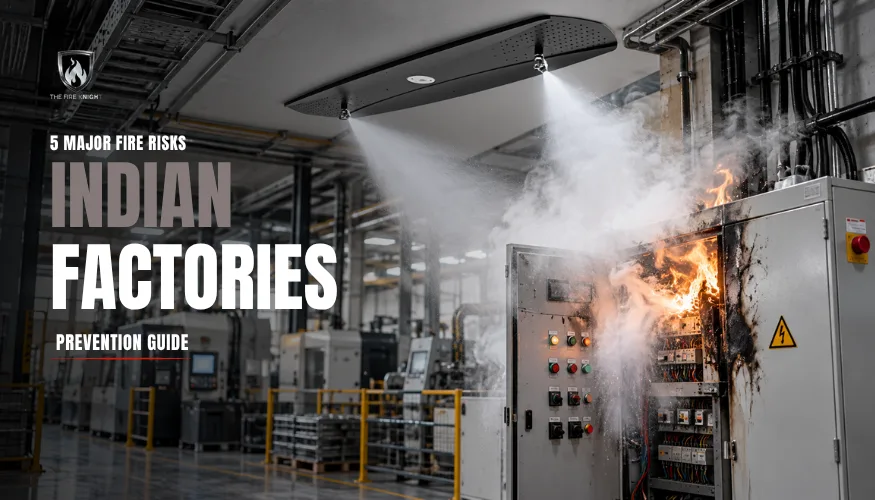
Electrical failure is one of the leading causes of commercial fires in India. Ageing wiring, overloaded circuits, damaged cables, and poorly maintained equipment generate heat and sparks that can ignite nearby materials.
Prevention Tips
- Schedule periodic electrical inspections by a licensed electrician.
- Replace damaged wiring and worn extension boards immediately.
- Avoid overloading sockets and power strips.
- Ensure electrical installations comply with applicable BIS standards and the National Building Code of India.
2. HVAC Systems
Heating, ventilation and air conditioning systems run almost continuously in Indian commercial buildings. Dust build-up, mechanical wear and skipped maintenance can quietly turn them into a fire hazard.
Prevention Tips
- Carry out routine HVAC inspections.
- Clean ducts and filters on a fixed schedule.
- Watch for overheating motors and unusual smells.
- Follow a documented preventive maintenance plan.
3. Improper Storage of Flammable Materials
Many businesses keep chemicals, cleaning agents, fuels, or packaging that can accelerate a fire if stored carelessly. In warehouses and retail backrooms, this is a frequent and preventable risk.
Prevention Tips
- Store hazardous materials in accordance with safety data sheets and BIS guidance.
- Use designated, ventilated storage areas away from ignition sources.
- Maintain clear labelling and stock control.
- Train staff on safe handling and spill response.
4. Commercial Kitchens and Food Preparation Areas
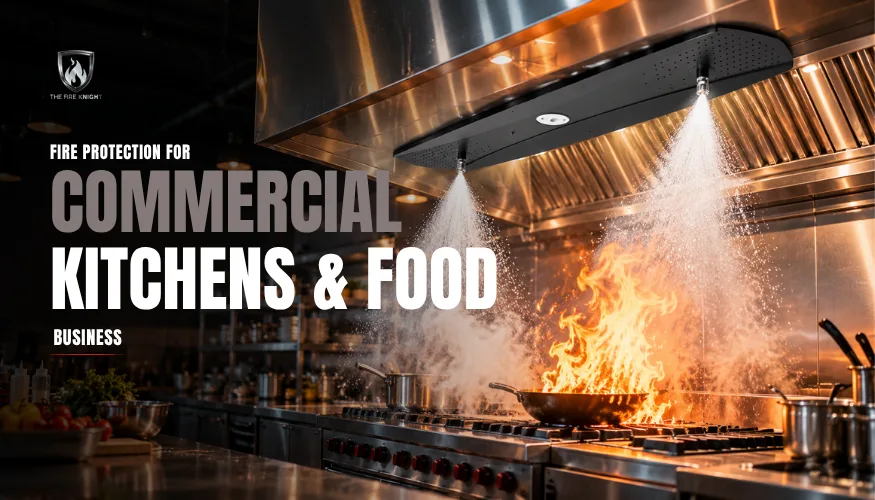
Restaurants, hotels, canteens, and cloud kitchens carry a high fire risk from cooking equipment, grease build-up, and open flames. Grease fires spread fast and are difficult to control with water.
Prevention Tips
- Clean exhaust hoods and ducts frequently to remove grease.
- Inspect cooking equipment and gas lines regularly.
- Install a dedicated fire suppression aid in cooking zones.
- Train staff in emergency response and gas shut-off procedures.
5. Human Error and Poor Safety Practices
Simple mistakes cause a surprising number of fires. Misused equipment, blocked exits, unattended appliances, and ignored procedures all raise the risk. Unlike faulty wiring, this cause is entirely within your control.
Prevention Tips
- Run regular fire safety training and mock drills.
- Set clear, posted emergency procedures.
- Perform routine safety audits and keep exits clear.
- Build a genuine workplace safety culture.
Why Early Detection Ties It All Together
Even the best prevention cannot remove every risk. When a fire does start, early detection buys the minutes that decide between a small incident and a total loss. Modern fire detection systems can identify hazards such as heat, smoke, flame, or gas, depending on the technologies installed, and send real-time alerts for immediate action.
This is technically more accurate because not every system detects all three. Detection should sit at the centre of every commercial fire plan, alongside a reliable fire suppression aid.
Building a Complete Fire Protection Strategy
Effective protection is more than ticking a compliance box. Indian businesses should adopt a layered approach:
- Risk assessment mapped to your specific hazards
- Preventive maintenance on electrical and HVAC systems
- Early detection systems in high-risk zones
- Automated fire suppression aids such as The Comodo for server rooms, electrical cabinets, and other high-risk equipment.
- Employee training and a rehearsed emergency plan
For more on keeping these systems reliable, see our guide on why regular maintenance is not optional.
Conclusion
Fire safety is an ongoing responsibility for every commercial property. By understanding the most common hazards and acting on them early, businesses can protect their people, premises, and operations. Investing in prevention, detection, and preparedness today avoids far costlier consequences tomorrow.
To assess your building’s fire risk with technology built for Indian conditions, talk to our fire safety experts, or explore professional fire safety for business.