 4 min read
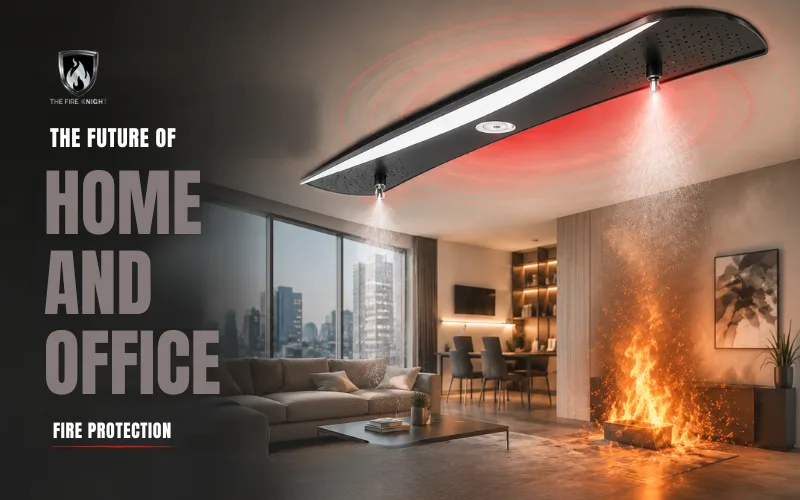
In a modern home or office, fire risk goes far beyond the kitchen stove. Electrical faults, overloaded equipment, and hidden hazards in storage areas or server rooms can ignite at any time. Yet for decades, fire safety in India has relied on the same two tools: a smoke alarm that needs someone to hear it, and an extinguisher that needs someone to use it.
Smart fire safety technology is changing that. Today’s systems combine advanced detection, instant notifications, and automated suppression to protect people, property, and business continuity, often before anyone is even aware of a fire.
From Traditional to Smart Fire Safety
Traditional fire safety depends on alarms, sprinklers, and manual extinguishers. Every one of these tools relies on a person hearing the alarm, finding the fire, and acting fast. In a real emergency, that gap of a few minutes can be the difference between a minor incident and a disaster.
Modern smart fire safety systems close that gap. They send instant alerts to your phone, use multiple sensors to confirm a real fire before acting, and integrate with other smart systems for a coordinated response. The result is a shift from passive protection to automated action.
Key Smart Fire Safety Devices to Know
1. Smart smoke, heat, and gas detectors
These detectors combine flame detection, rapid heat sensing and gas monitoring (carbon monoxide, LPG, methane). By confirming a threat before triggering, they cut false alarms and react faster than older devices.
2. Automated suppression units
Instead of relying on a person to grab an extinguisher, these units detect and respond on their own. The Protector uses rapid multi-sensor detection to confirm a fire, then releases a suppression aid to knock it down in its earliest seconds.
3. Targeted suppression systems
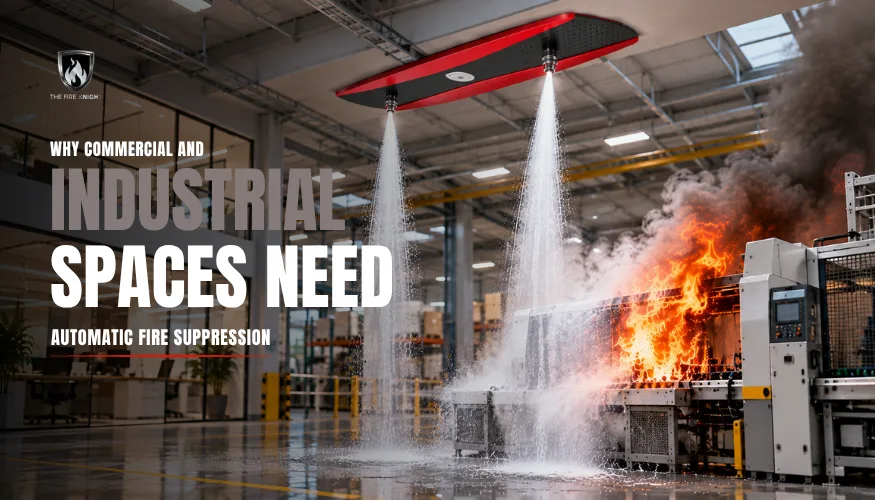
Unlike sprinklers that flood an entire room, targeted systems act only where the fire is. This controls the fire while sharply reducing water damage to equipment and stock.
4. Compact units for enclosed spaces
The Comodo is built for tight spaces such as server rooms, electrical enclosures, and small storage areas. It releases suppression automatically when the temperature crosses a set threshold, with no human intervention needed.
5. AI-assisted detection cameras
Using visual recognition, these cameras spot flame or smoke patterns before a traditional alarm reacts. Linked to a suppression system, they can trigger a response and alert emergency contacts instantly.
The Benefits of Modern Fire Safety
| Benefit | What It Means for You |
|---|---|
| Instant, verified alerts | Notifications by app or SMS, with fewer false triggers |
| Faster early-stage response | Fires tackled in seconds, not minutes |
| Fewer false alarms | Multi-sensor logic separates cooking smoke from real danger |
| Remote monitoring | Check live status and event history from anywhere |
| Protection for the vulnerable | Automatic action helps children, elderly, and limited-mobility occupants |
Smart Fire Safety in Action: The Home
Imagine a small kitchen fire starting while the house is empty. A modern detection and suppression unit senses the flame within seconds, confirms it is a genuine fire, and releases suppression to contain it, while sending you an instant alert. The fire is controlled before it spreads, and you have a clear event log for insurance. This is exactly the shift covered in our guide on smart fire protection for homes.
Smart Fire Safety in Action: The Office
For businesses, fire safety is not only about avoiding damage. It is about protecting people, ensuring compliance with the National Building Code, and keeping operations running smoothly. Businesses need advanced fire systems that can:
- Generate automated inspection and maintenance reports
- Integrate with access control to unlock exits during an emergency
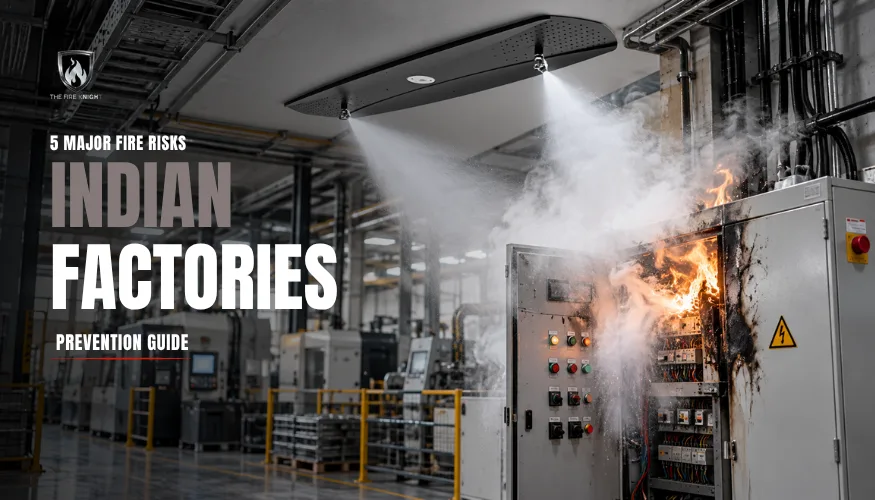
- Protect sensitive equipment using suppression methods that avoid water damage
For a fuller picture of workplace risk, see our guide on common fire risks in commercial buildings.
Looking Ahead: The Future of Fire Safety Technology
- Predictive AI: analysing temperature and power-use patterns to flag fire risk before ignition.
- Drone-assisted response: for large sites, giving firefighters live data on a spreading fire.
- Smart city integration: connecting systems directly to municipal emergency services.
- Wearable alerts: giving workers in high-risk areas a personal warning device.
Conclusion
Fire safety today is about speed, precision, and protection. Smart devices that combine advanced detection, instant alerts, and rapid suppression can stop a fire before it causes widespread damage. Whether for a family home or a busy office, this technology delivers the protection people deserve. To understand why detection sits at the heart of it all, read why early fire detection is the most critical layer.
To upgrade your home or workplace with technology engineered for Indian conditions, talk to our fire safety experts for a free assessment.