 4 min read
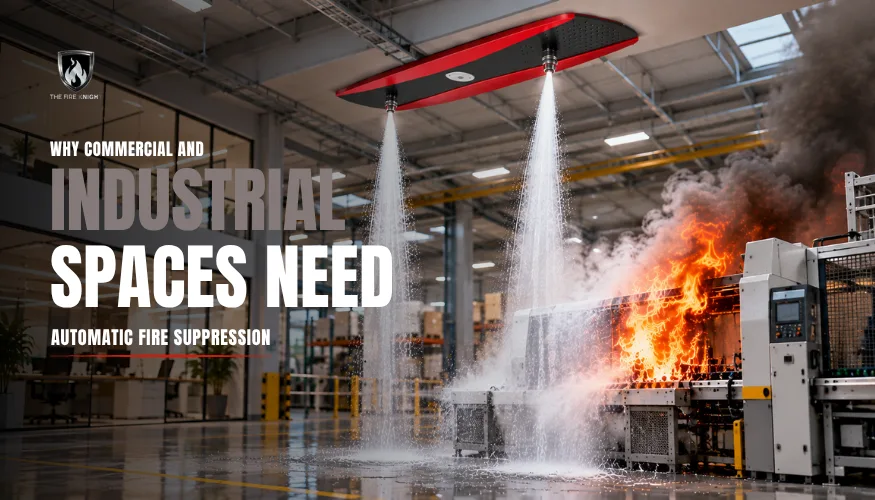
Most workplace fires start small. A panel overheats, a charger sparks or a heap of packaging catches. What turns that small fire into a disaster is time: nobody notices, nobody is trained, or nobody is there at all.
An alarm warns people, but someone still has to act. Automatic fire suppression closes that gap by detecting a fire and acting on it in the first critical minutes, whether the building is full or empty.
The Scale of the Problem in India
According to the National Crime Records Bureau, India recorded 7,566 fire accidents and 7,435 fire deaths in 2022, with 241 of those accidents in commercial buildings.
The human cost is clear from recent tragedies. On 13 May 2022, a fire in a four-storey commercial building in Mundka, Delhi, housing a CCTV camera maker, killed 27 people. The building reportedly had no fire department clearance and no extinguishers. Two years later, the TRP game zone fire in Rajkot killed 27 more, and the facility had no fire NOC.
Why Manual Response Is Not Enough
Modern interiors burn fast. FSRI research found that rooms furnished with synthetic materials can reach flashover in 3 to 5 minutes, compared to more than 30 minutes for older natural materials. After flashover, a room is not survivable.
- After hours: a fire that starts at night or on a holiday can burn unnoticed in an empty office, shop or godown.
- High fire loads: stock, cartons, oils, chemicals and dust feed a fire quickly.
- Electrical risk: panels, UPS units and battery banks can ignite without warning.
- Human hesitation: untrained staff lose precious seconds finding and using extinguishers.
Where Automatic Suppression Helps Most
| Space | Typical hazard | Where automatic protection helps |
|---|---|---|
| Offices | Panels, server racks, synthetic furnishings | Electrical rooms, server and UPS rooms |
| Shops and malls | Packaging, stock, lighting | Back stores and stockrooms after hours |
| Warehouses and godowns | Stacked cartons, forklift charging | Charging bays and dispatch areas |
| Factories | Machinery, oils, dust, hot work | Around machines, panels and yards |
| Hotels and hospitals | Linen stores, plant rooms, batteries | Back of house and equipment rooms |
What Indian Codes Expect
The National Building Code of India 2016, Part 4 sets fire detection, alarm, sprinkler and hydrant provisions based on occupancy and building height. IS 2189 covers automatic fire detection and alarm systems, and the Factories Act 1948 requires fire precautions in factories. State fire services grant the fire NOC.
Important: automatic suppression aids add targeted, fast protection at high-risk points. They do not replace the detection, alarm, sprinkler, hydrant, or extinguisher provisions your building must have, and they do not secure a fire NOC on their own.
How Automatic Fire Suppression Works
- Detect: sensors watch for flame, heat or smoke around the protected zone.
- Confirm: multi-sensor logic helps cut false discharges.
- Suppress: agent is released directly at the fire, with nobody present.
- Alert: owners and facility teams are notified so they can respond and call the fire service.
Manual vs Automatic Fire Suppression: Key Differences
| Factor | Manual response | Automatic suppression aid |
|---|---|---|
| Needs a person on site | Yes | No |
| Works after hours | No | Yes |
| Response time | Minutes, if noticed | Seconds after detection |
| Reaches enclosed panels | Difficult and risky | Built into the zone |
Matching the Right System to Your Site
- The Protector room fire protection system suits offices, shops, cabins and back stores.
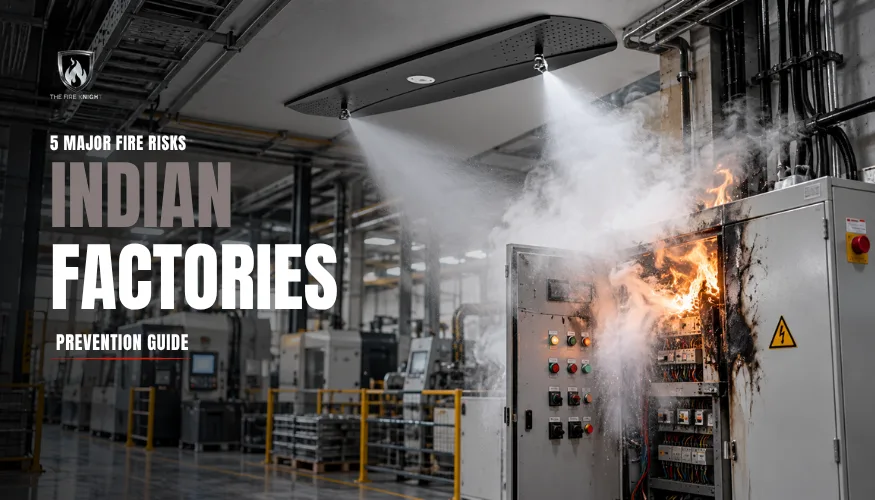
- The Comodo compact fire suppression aid protects electrical panels, server rooms, UPS and battery cabinets.
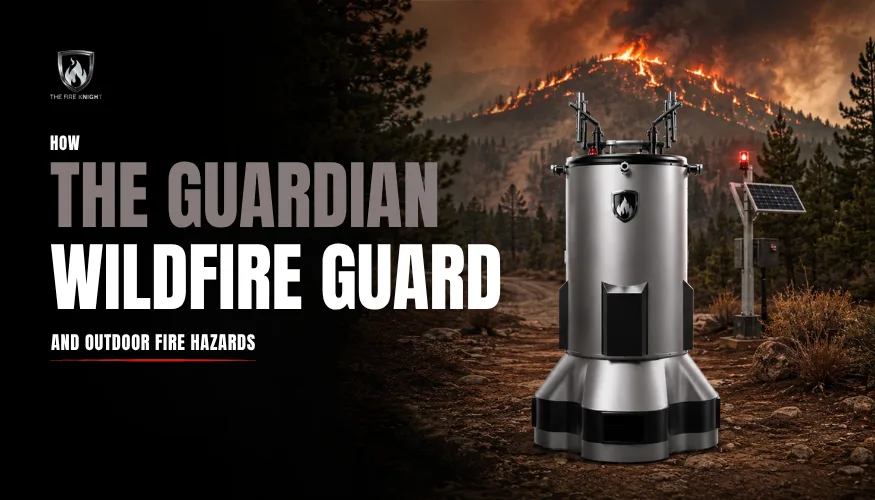
- The Guardian industrial fire suppression aid covers open yards, perimeters and outdoor storage.
- The Ranger heavy machinery fire protection protects forklifts, loaders and plant equipment.
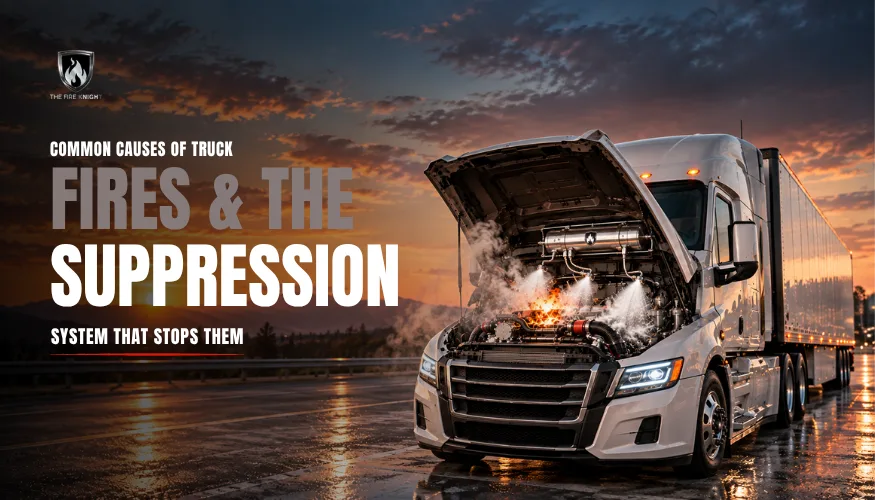
- The Sentinel vehicle fire suppression aid covers delivery and logistics fleets.
Common Mistakes to Avoid
- Treating an alarm as protection, when it only warns.
- Leaving panel rooms and stores unprotected because nobody works there.
- Skipping maintenance, which leaves systems unreliable.
- Assuming one product covers a whole factory without a risk assessment.
Protect Your Business in the First Minutes
Fire safety is not only about compliance. It keeps people safe, keeps stock intact and keeps the business running. Automatic suppression gives your site a response that works around the clock.
Book a fire risk consultation with our experts, find a Fire Knight distributor in India or partner with us as a fire safety distributor. You can also learn about the Fire Knight team and browse more fire safety guides for Indian businesses.
Frequently Asked Questions
NBC 2016 Part 4 sets requirements by occupancy and height, and state fire services enforce them. Targeted suppression aids are usually additional protection.
No. It adds early, targeted protection at high-risk points, while sprinklers protect the wider floor.
Yes. Suppression aids slow or knock down a fire, but professional emergency response is still required.