 4 min read
Every few minutes, a fire starts somewhere: in a home, a vehicle, a shop, or a field. In many cases, by the time emergency services arrive, the damage is already done. In India, response times vary widely between cities and rural areas, and in remote zones help can be far away. At The Fire Knight, we believe the best fire response begins before the first spark. This guide shows you how to build a proactive fire protection plan.
The Problem With Reactive Fire Safety
Most people assume fire protection means installing a smoke alarm, keeping an extinguisher nearby, and calling for help. But consider the reality: a fire can double in size in under a minute, often every 30 to 60 seconds depending on fuel and ventilation. A small flame becomes a life-threatening blaze in minutes.
So the real question is: what happens in the first few minutes before help arrives? In areas with longer response times, such as rural zones, hill towns, industrial estates, and developing infrastructure, the risk multiplies. This is where early fire detection and proactive protection become essential.
Your Fire Protection Plan: A Step-by-Step Checklist
- Assess your risks: walk your property and note ignition sources, electrical panels, kitchens, fuel or battery storage, and escape routes.
- Install intelligent detection: choose systems that sense flame, rate-of-rise heat, and dangerous gases, not just smoke.
- Add automated suppression: a system that acts on its own buys time in those first critical minutes.
- Set up instant alerts: make sure notifications reach you, your family or staff, and any monitoring service.
- Plan your evacuation: map at least two exits, agree a meeting point, and note your nearest fire station number.
- Practise and maintain: run drills, service equipment, and understand why regular maintenance is not optional.
The Shift to Proactive Fire Defense
It is time to evolve from reactive tools to proactive systems. A modern setup delivers four things:
- Intelligent detection: The Fire Knight systems detect flames, heat spikes, and dangerous gases faster than conventional smoke detectors.
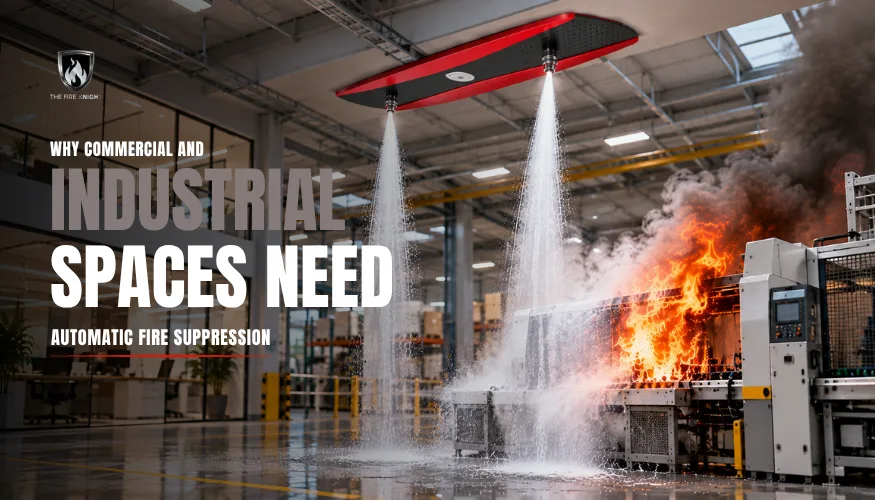
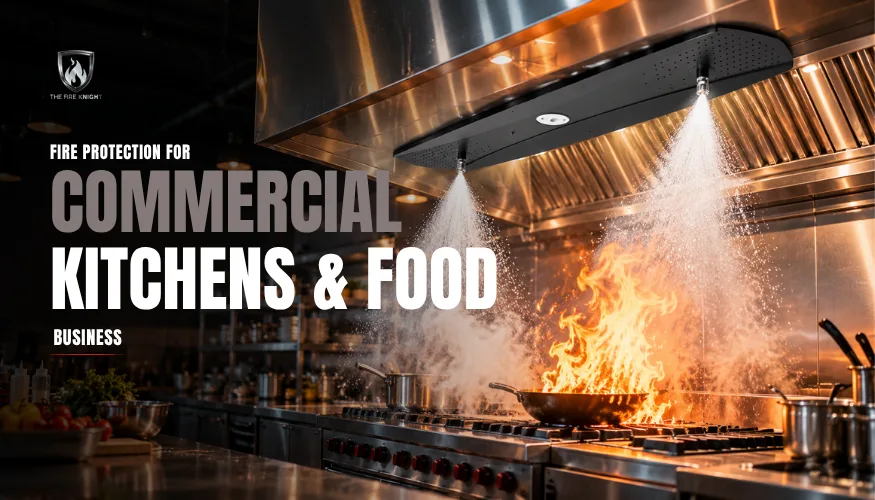
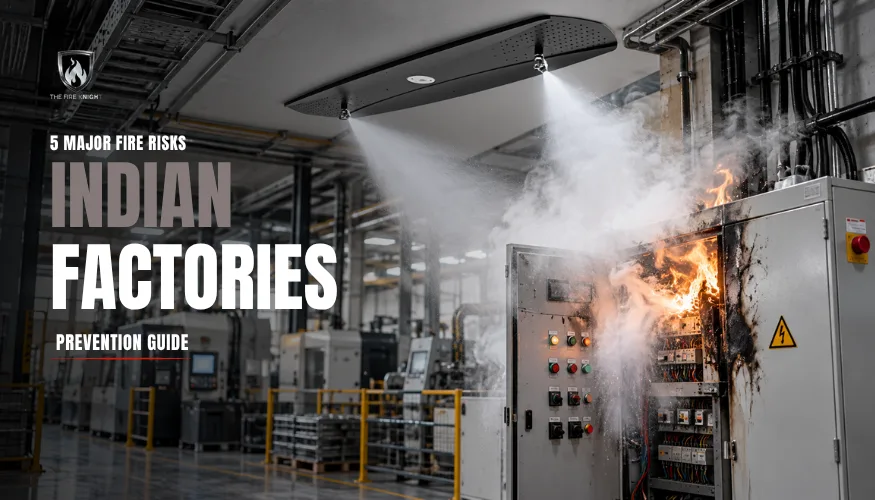
- Automated suppression: systems trigger autonomously, without human input, discharging a targeted fire suppression agent to slow the fire before it spreads.
- Instant alerts: notifications reach owners, authorities, and cloud monitoring at the same time.
- Versatile coverage: the right unit for each space, indoors, outdoors, and on vehicles.
Matching the System to the Space
| Space | Recommended System |
|---|---|
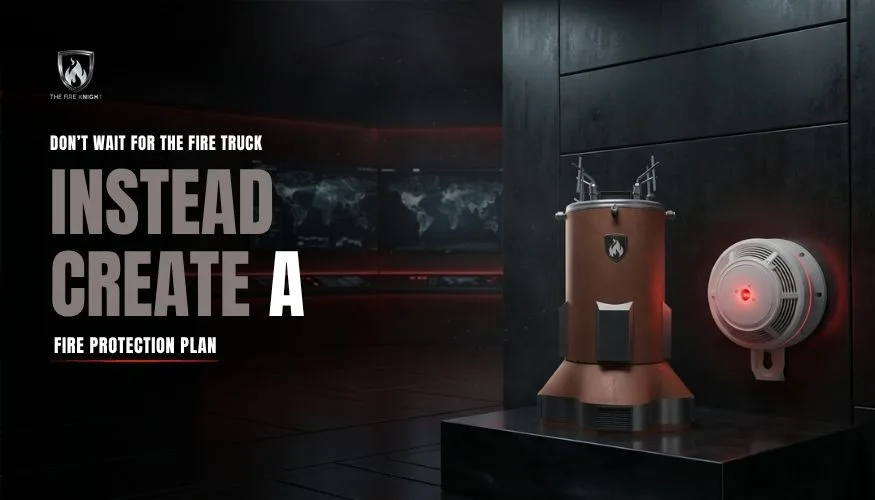
| Homes, hospitals, offices, buildings | The Protector (indoor) |
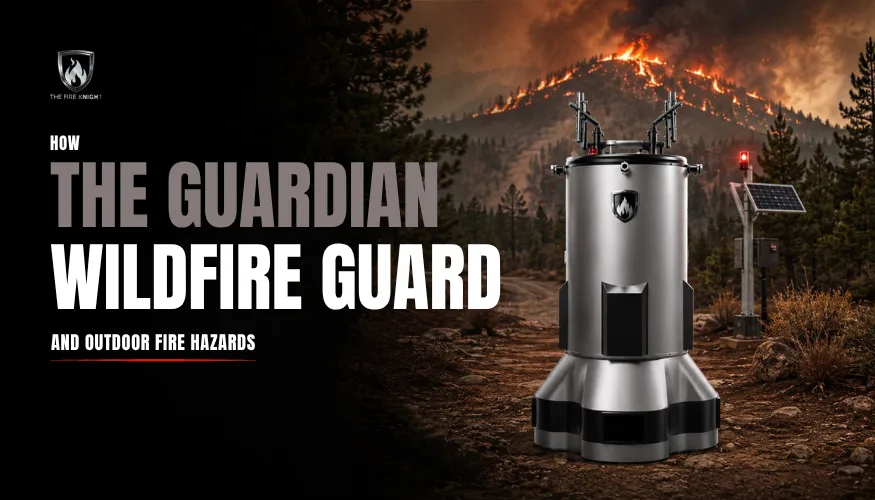
| Perimeters, forests, remote sites | The Guardian (outdoor) |
| Server rooms, enclosures, compact spaces | The Comodo (enclosed) |
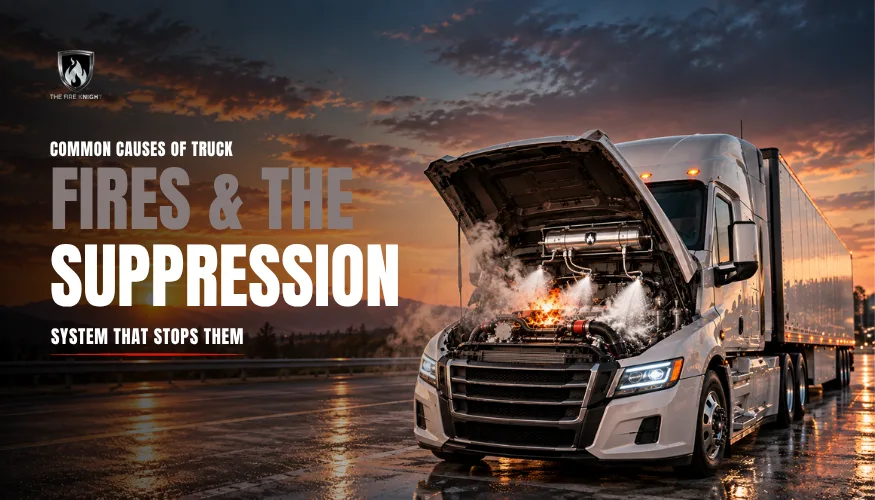
| Cars, fleets, EVs | The Sentinel (vehicle) |
| Trucks, mining, heavy machinery | The Ranger (industrial vehicle) |
The Hidden Cost of Delay
Fire does not wait for permission. Homes and businesses can be engulfed in minutes, and damage escalates every second. For many businesses, operational downtime following a fire often exceeds the direct cost of physical damage, turning a preventable incident into weeks of lost revenue. Insurance can replace a building, but it cannot replace lost time, records, or memories. Preparedness guidance from the National Disaster Management Authority (NDMA) makes the same case: planning ahead saves both lives and livelihoods.
Build Your Plan Around the Right Standards
A credible plan aligns with Indian fire safety norms. The National Building Code (NBC 2016), Part 4, published by the Bureau of Indian Standards (BIS), sets out detection, suppression, and evacuation requirements for most buildings, while state fire services, overseen by the Ministry of Home Affairs, enforce local rules. Building your plan around these standards keeps you both safe and compliant.
The Takeaway
Fire services are heroic, but their job begins after the fire has already gained ground. A proactive plan, combining detection, suppression, alerts, and rehearsed evacuation, lets you fight back immediately and stay in control. To see how detection and suppression work together across a site, read The Guardian’s role in the complete protection ecosystem.
The fire truck is your backup. A Fire Knight system is your first line of defense. To build a fire protection plan for your home or site, talk to our fire safety experts for a free assessment, or become a distributor to bring The Fire Knight to your region.