 4 min read
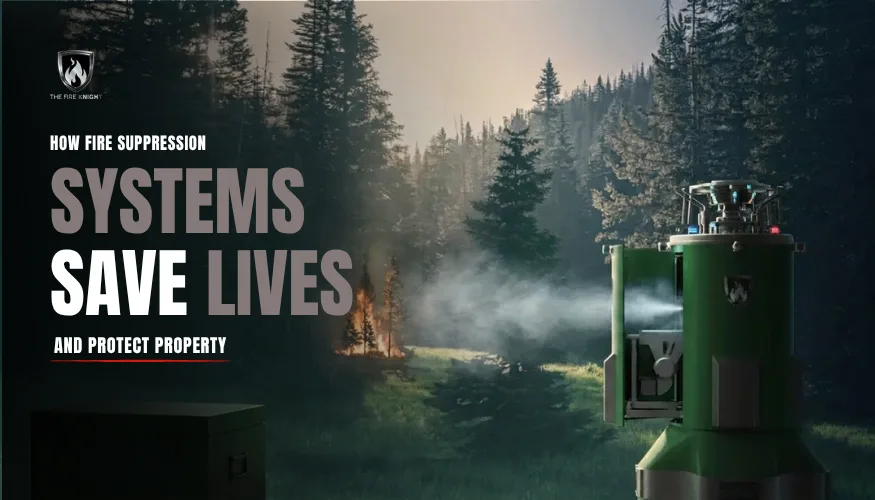
Fire is one of the most serious threats any property or business can face. Once a fire starts in a warehouse, shop, factory, or vehicle, it can spread within seconds, endangering lives, halting operations, and causing heavy financial loss. Many of these incidents could be prevented, or greatly reduced, with the right fire suppression system in place.
This guide explains how fire suppression systems work, why they matter for both safety and business continuity, and which type suits which setting. To understand the layer that comes first, see our guide on why early fire detection is the most critical layer.
What Is a Fire Suppression System?
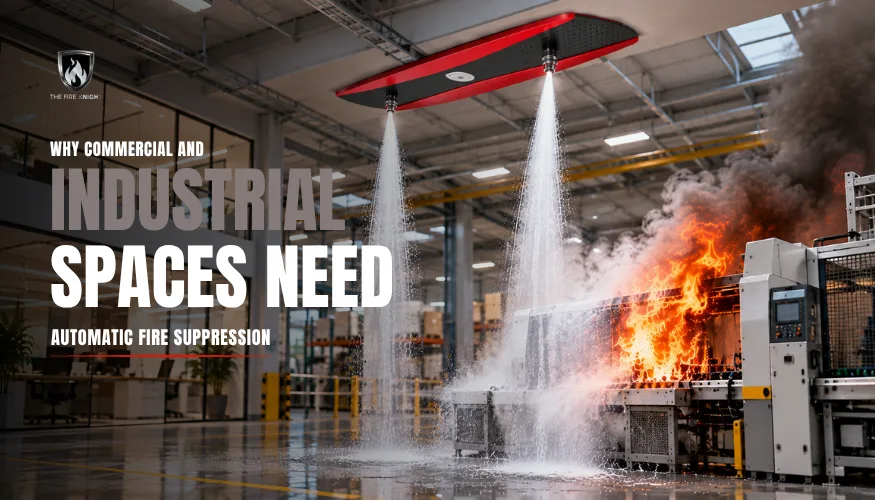
A fire suppression system is engineered to detect, control, and suppress a fire before it spreads. Unlike older water-only setups, modern systems use a range of agents such as foam, dry chemicals, clean agents, or inert gases, chosen to match the space and the fire hazard. Systems fall into two broad types:
- Active systems: these respond automatically when a fire is detected. Sprinklers, chemical suppression, water mist, and gas-based systems all fit here.
- Passive systems: fire-rated materials, barriers, and doors that slow the spread of fire and smoke, giving people more time to evacuate.
The most effective fire strategies combine both.
How Suppression Systems Protect Life
Immediate response
In a fire, time is everything. A system that acts within seconds of detection controls the fire fast, reducing danger to occupants and buying vital evacuation time.
Less smoke inhalation
Smoke and toxic gases are the real killers in most fires. By slowing flame spread, suppression cuts smoke production and reduces inhalation injuries during escape. In dense Indian buildings, where occupants may need several minutes to reach an exit, this reduction in smoke can be the single factor that saves lives.
Clear evacuation routes
By tackling a fire early, suppression keeps hallways and stairwells from becoming blocked, which is critical in larger Indian commercial buildings where crowds move fast.
Asset Protection and Business Continuity
- Protecting equipment: clean-agent and gas systems suppress fire with no residue, ideal where water would damage electronics, as in server rooms.
- Preventing downtime: uncontrolled fire can shut operations for weeks. Fast suppression protects recovery time and revenue.
- Safeguarding stock: warehouses and stores hold large volumes of combustible material. Zone-based suppression limits the spread of damage.
Common Fire Suppression System Types
| System Type | How It Works | Best For |
|---|---|---|
| Water-based (sprinkler/mist) | Cools with water or fine mist | Offices, residential complexes, malls |
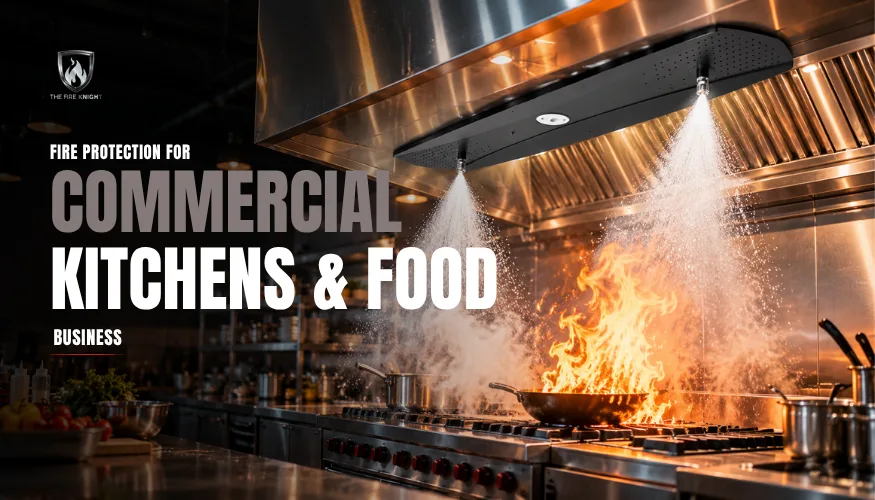
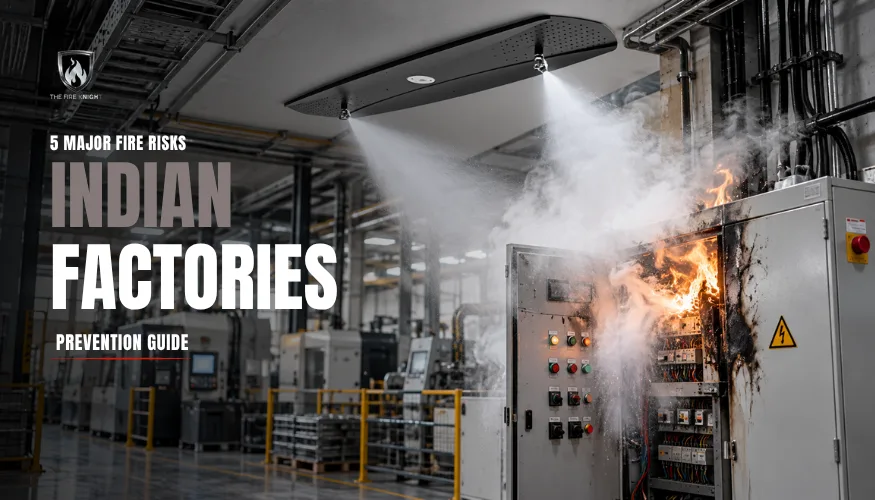
| Chemical (dry chemical) | Interrupts the fire’s chemical reaction | Factories, industrial kitchens, fuel stations |
| Gas / clean agent | Inert gas leaves no residue or moisture | Data centres, control rooms, archives |
| Foam | Blankets liquid fuel to starve oxygen | Oil storage, vehicle bays, chemical plants |
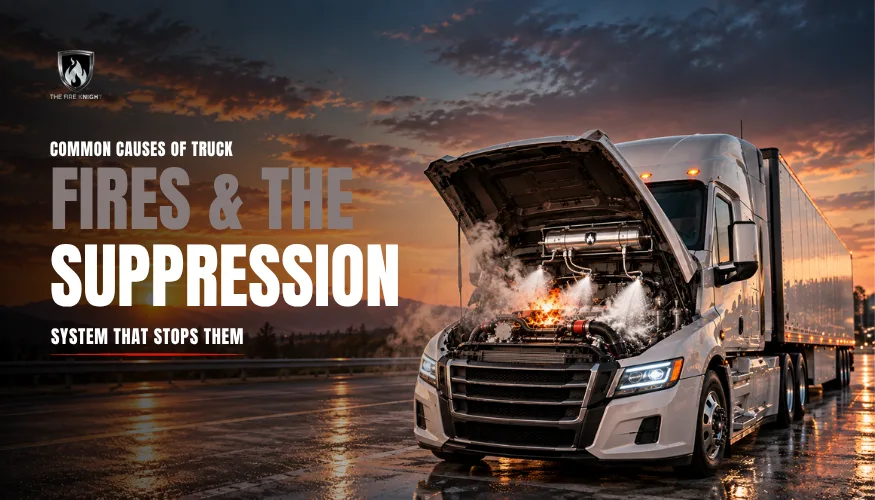
| Portable units | Compact, localised suppression | Vehicles, fleets, small equipment rooms |
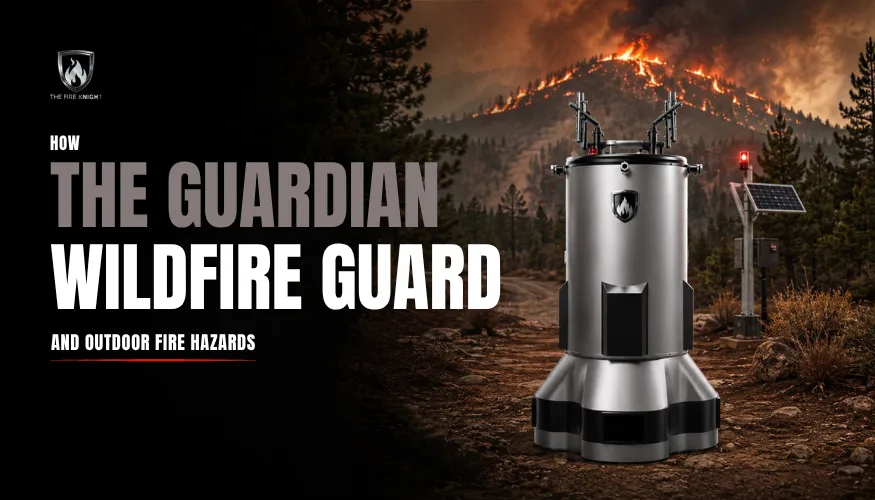
For vehicles and mobile equipment, compact units such as The Sentinel and The Ranger deliver targeted protection, while The Guardian handles large outdoor and industrial sites.
Key Benefits at a Glance
- Life-saving intervention in the first critical seconds
- Lower risk of smoke-related casualties
- Protection of equipment, data, and infrastructure
- Less downtime and operational disruption
- Easier compliance with the National Building Code and fire regulations
- Potential insurance benefits and stronger business continuity
Detection, Suppression, and Maintenance Together
Suppression is most powerful as part of a layered plan. It works best alongside early detection and stays reliable only with regular maintenance. Together, these three layers turn fire safety from a hope into a guarantee.
Conclusion
Fire suppression systems are central to modern safety and risk management. By slowing a fire’s spread and creating time to escape, they protect both life and livelihood, and often prevent large-scale destruction before it takes hold. Whether for a tall building, an industrial plant, or a moving vehicle, the right system delivers real security and genuine peace of mind.
To find the right suppression system for your property, talk to our fire safety experts for a free assessment, or become a distributor to bring The Fire Knight to your region.